


What inspired you to write this book?
I wanted to mark 70 years of fundraising for needy African children, and writing this book felt like the perfect way to celebrate that lifelong mission.
The title is quite intriguing — what does “Get Me Out of Here” signify?
It references a TV program, but it also comes from something I shouted as a 9-year-old at a crowded zoo when I felt overwhelmed. That moment has stayed with me throughout my life.
How much of the book is drawn from your personal experiences with autism?
All of it — 100%.
What message do you hope autistic readers take away from your story?
That they will find comfort and encouragement, knowing their lives can be enriched by the advice I share.
What message do you hope neurotypical readers take away?
That autism is not a disability — it is a different ability.
In your opinion, what are the biggest misconceptions society has about autism?
That autistic people are unintelligent or lack empathy. Both assumptions are false.
What were some of the hardest moments to write about?
Revisiting the rejection I faced as a child.
Was there a chapter or scene you are most proud of?
The chapter where I talk about raising money to build dormitories for a children’s home in North Kinangop, Kenya.
How do you balance humor, emotion, and advocacy in your storytelling?
By telling things simply as they are.
Who do you believe will benefit most from reading your book?
Anyone who is autistic, thinks they may be, or has a close friend or relative on the spectrum.
What was the writing process like for you emotionally and mentally?
It brought back many memories — some painful, others positive.
How has sharing your story changed how you see yourself?
At 78, sharing my story inspires me to keep doing as much good as I can with the time I have on earth.
Do you feel the world is becoming more accepting of neurodiversity?
Yes. There is a lot more awareness in the media, and many well-known people are openly speaking about it.
What practical steps can communities take to better support autistic individuals?
By recognising that autistic people are fully human — simply wired differently.
Are there particular strengths autism has given you that help you thrive?
Yes — it has given me a stronger relationship with God.
What role did friends, family, or mentors play in shaping your journey?
I had three close friends who were my rock as I grew through childhood and my teenage years.
If you could speak to your younger self, what would you say?
Be yourself.
What do you hope this book contributes to the global conversation on autism?
I hope the simple writing style — short chapters and easy-to-read language — offers something unique in the world of neurodiversity literature.
What upcoming projects or future writing plans do you have?
I’m praying about it now.
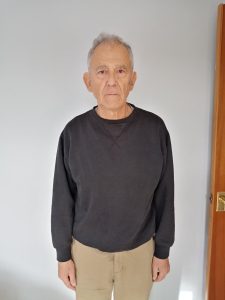
Interview with Robert Noble — Author of “I Am Autistic: Get Me Out of Here” speaks on Autism, Advocacy and his Journey


